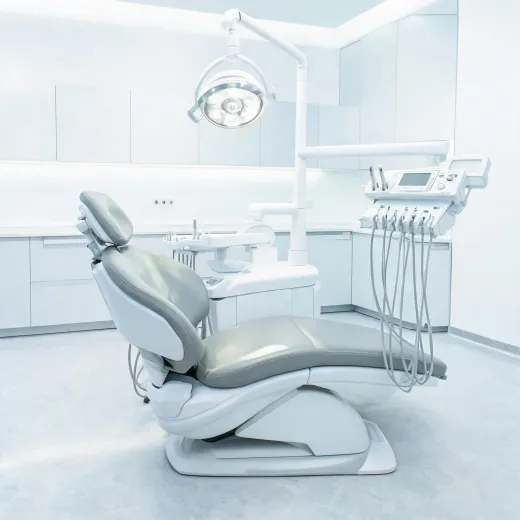
Dental Chairs
Treatment-room units
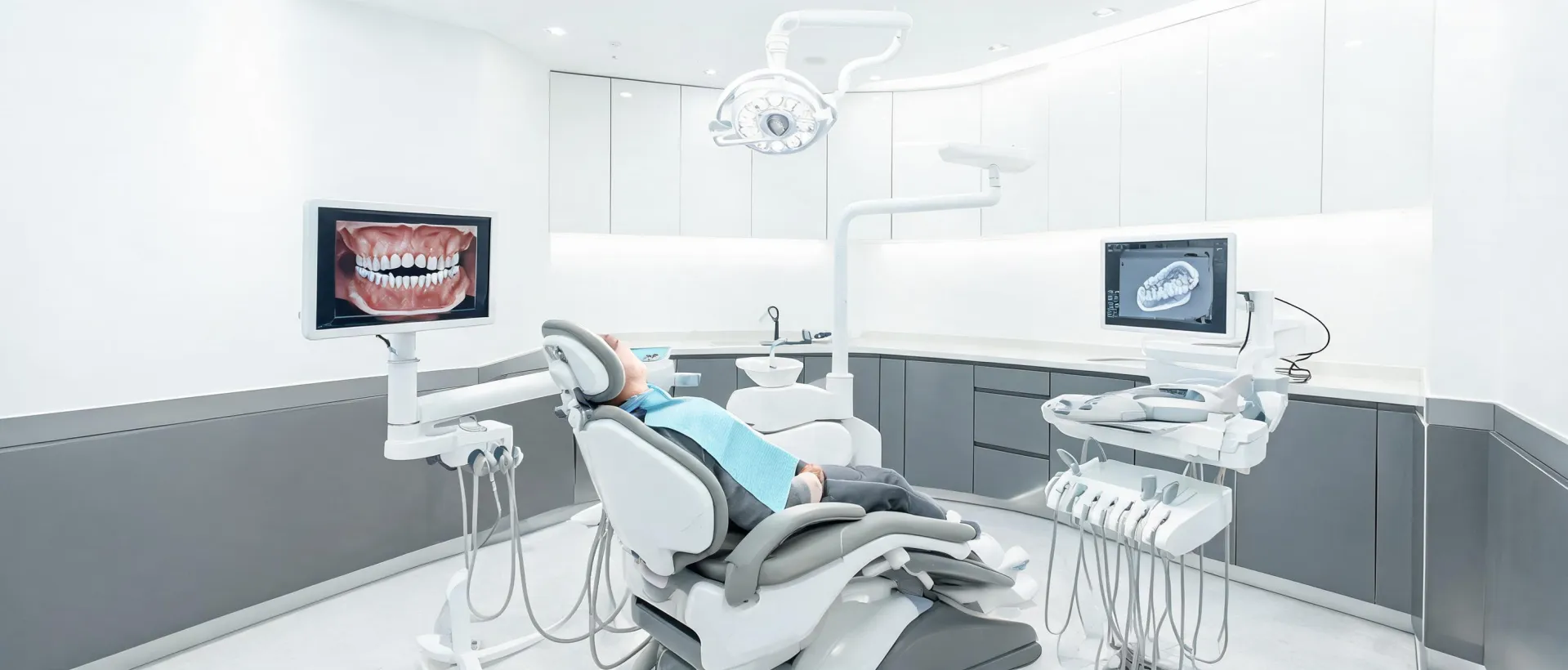
Build a standardized treatment room around dental chairs, panoramic and CBCT imaging, intraoral scanning, CAD/CAM milling, and service documentation that purchasing teams can review quickly.
Each tab summarizes the practical details value-analysis, facilities, IT, and clinical operations teams request during a chair or imaging refresh.
| Room Utility | Delivery unit, suction, waterline routing, light arm clearance, assistant side storage, and patient weight capacity planning notes for bariatric operatories. |
|---|---|
| Compliance | IEC 60601-1 essential performance, electromagnetic compatibility (EMC), ISO 13485 supplier documentation, quality system regulation (QSR), and good manufacturing practice (GMP) evidence packs. |
| Rollout | Installation drawings, unique device identification (UDI) labeling check, staff training block, mean time between failures (MTBF) / mean time to repair (MTTR) service targets, and preventive maintenance schedule. |
| Modalities | Panoramic, cephalometric, CBCT, intraoral X-ray, implant planning export with image resolution / pixel pitch acceptance notes. |
|---|---|
| IT | DICOM interoperability, picture archiving and communication system (PACS) export planning, HL7 FHIR messaging handoff options, workstation sizing, and storage policy. |
| Radiation Safety | Shielding notes, ALARA protocol, QA phantom routine, operator credential tracking, and risk-benefit analysis summary for value-analysis packets. |
| Workflow | Scan, design, mill, image review, lab handoff, case archive, remote support, and reprocessing validation notes for reusable scan tips where applicable. |
|---|---|
| Software | Imaging environment with role-based access, backup policy, cybersecurity patch cadence, and post-market surveillance (PMS) feedback routing for connected modules. |
| Training | Chairside onboarding, super-user pathway, IFU library, design history file (DHF) / device master record (DMR) cross-references, and service escalation map. |
Treatment-room units
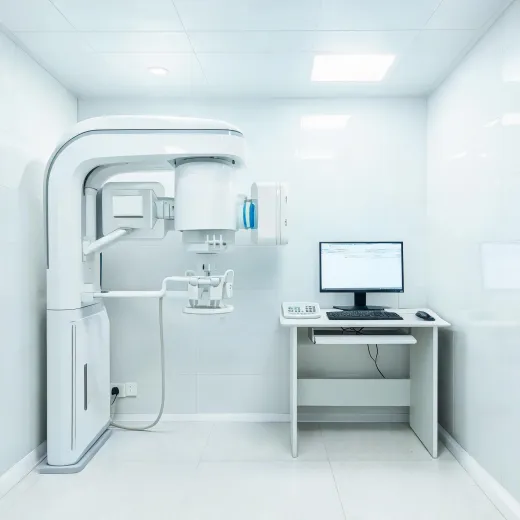
3D / panoramic
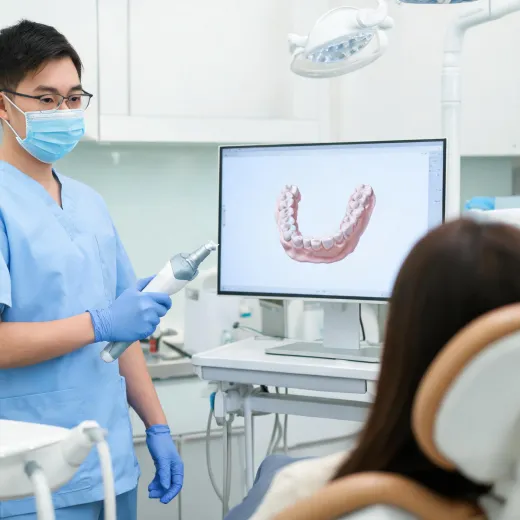
Digital impressions
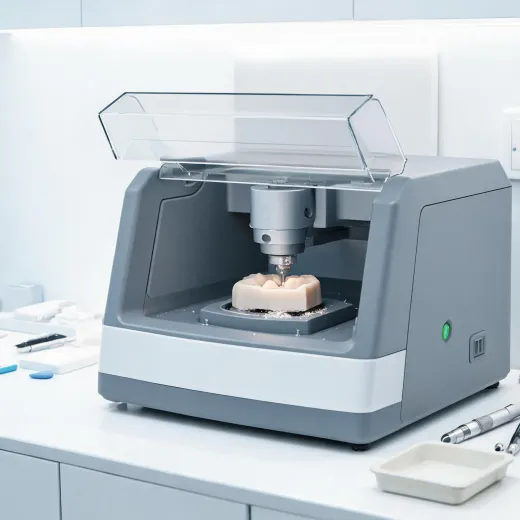
Chairside production
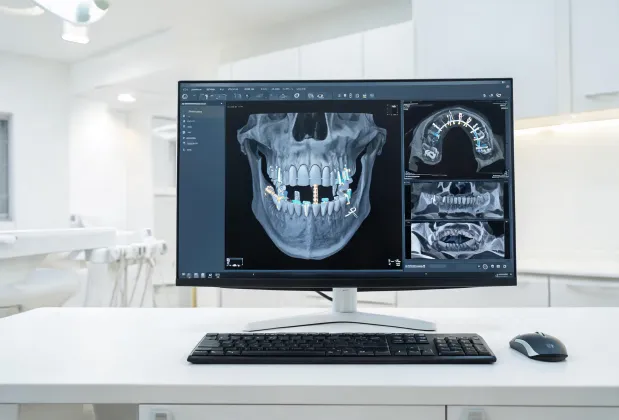
Equipment selection is easier when the CBCT unit, intraoral scanner, chair delivery system, and image review workstation are specified as one operational workflow. Planmeca keeps room planning, DICOM interoperability, picture archiving and communication system (PACS) export notes, HL7 FHIR messaging options, service intervals, and user training in the same package so dental groups can compare sites consistently. Buyers can also request 510(k) substantial equivalence summaries where a cleared pathway applies, instead of assuming premarket approval (PMA) language.
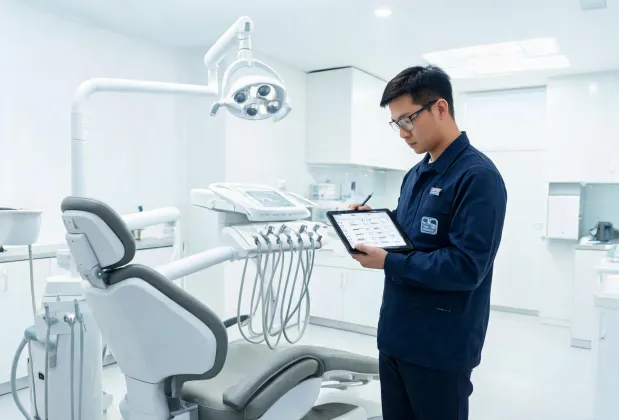
Dental practices need equipment that can be serviced quickly without creating scattered records. Preventive maintenance templates, IFU access, installation drawings, MTBF/MTTR targets, electromagnetic compatibility (EMC) notes, and escalation routes help facilities, practice managers, and clinical leads keep chair uptime visible across multiple operatories. Clinical evaluation report (CER) excerpts and adverse event reporting (MDR) pathways are referenced only when the documentation package warrants them.

Quality-management documentation structured for medical-device design, manufacturing, service procedures, complaint handling, and supplier controls.
Technical documentation, risk-benefit analysis, post-market surveillance (PMS), unique device identification (UDI) labeling, and clinical evaluation report (CER) support aligned to European medical-device expectations.

Electrical safety, essential performance, and electromagnetic compatibility (EMC) planning for connected dental chairs, imaging equipment, power supplies, and clinical accessories.

DICOM interoperability notes for dental practices that need predictable transfer to a picture archiving and communication system (PACS), planning systems, and archived case records—whether the clinic prefers an integrated PACS or a vendor-neutral archive path.

Send chair count, imaging scope, and rollout timing. We will organize spec sheets, IFU references, service intervals, and room-planning notes for your purchasing review.